The Journey of Parenting: Nurturing with Love and Patience
“Beautiful Moments of Parenting and Family Bonding”

Parenting is one of life’s most rewarding yet challenging journeys. From the moment a child is born, parents step into a role filled with responsibility, joy, and countless learning opportunities. Every stage of childhood brings new experiences that require patience, empathy, and understanding. While no guidebook can ever fully prepare someone for parenthood, certain principles can help make the journey smoother and more fulfilling.One of the most important aspects of parenting is building a foundation of love and trust. Children thrive when they feel secure and valued. Expressing love through kind words, warm hugs, and undivided attention creates an emotional bond that strengthens over time. Trust is not only about keeping promises but also about being consistent in words and actions. When children know they can rely on their parents, they develop confidence and resilience that carry them through challenges.
“The Importance of Effective Communication”

Equally important is the role of communication. Effective communication goes beyond giving instructions or correcting behavior—it involves active listening. Parents who take time to listen to their child’s thoughts and feelings foster a sense of respect and openness. Even young children appreciate when their opinions are valued. By maintaining open dialogue, parents create an environment where children feel safe sharing their concerns and dreams.
Discipline, often misunderstood, is another crucial part of parenting. Discipline does not mean harsh punishment; rather, it is about guiding children toward making responsible choices. Setting clear boundaries with kindness and consistency helps children understand expectations while respecting their individuality. Positive reinforcement, such as praising good behavior, is far more effective than focusing only on mistakes. Over time, this approach helps children develop self-control and accountability.
“Parents Helping Children with Homework at Home”

Parenting also requires adaptability. No two children are the same, and what works for one may not work for another. Parents often need to adjust their methods depending on their child’s personality, temperament, and needs. Flexibility allows parents to respond to different situations without frustration, while also teaching children that problem-solving and compromise are part of life.
Another essential part of parenting is leading by example. Children learn more from what they see than from what they are told. Parents who demonstrate kindness, honesty, patience, and hard work naturally pass on these values to their children. Simple actions, such as treating others with respect or showing gratitude, leave a lasting impression on young minds. In many ways, parents are their child’s first teachers, shaping values that influence them throughout life.
“Balancing the Demands of Parenting and Self-Care”

Balancing parenting responsibilities with personal well-being is equally important. Many parents feel guilty for taking time for themselves, but self-care is essential for being an effective parent. Whether it’s pursuing a hobby, reading a book, or simply resting, these moments of self-care recharge energy and reduce stress. Children benefit when their parents are emotionally and mentally balanced, as this creates a more harmonious home environment.
Parenting also involves encouraging independence. While it is natural to want to protect children from difficulties, allowing them to face challenges builds strength and problem-solving skills. Small steps—such as letting a child choose their clothes, manage homework, or participate in decision-making—help develop independence and confidence. Parents act as supportive guides, ready to help when needed, but also allowing space for children to grow into capable individuals.
“The Impact of Digital Learning on Children’s Minds”

In today’s digital age, parenting brings new challenges. With technology shaping the way children learn and interact, parents must strike a balance between screen time and real-life experiences. Setting boundaries on device usage and encouraging outdoor play, reading, or family activities helps maintain a healthy lifestyle. More importantly, parents must model healthy digital habits themselves, showing children how to use technology responsibly.
In addition to setting boundaries, parents must also stay actively involved in their child’s digital world. This means understanding the apps, games, and platforms their children use and guiding them toward safe and age-appropriate content. Open conversations about online safety, cyberbullying, and the importance of privacy can help children become more aware and responsible digital citizens. Instead of simply restricting access, educating them about both the benefits and risks of technology empowers children to make better choices on their own.
“Exploring Knowledge Through Digital Learning”
Equally important is the role of balance. Technology is not inherently harmful—it can be a powerful tool for learning, creativity, and communication when used wisely. Parents can encourage children to use digital devices for productive purposes such as educational games, online learning, or creative projects like art, coding, or music. By highlighting the positive aspects of technology, parents can teach moderation rather than creating a sense of restriction that may lead to conflict.
Another growing concern in the digital age is the decline of face-to-face interaction. With children spending more time online, the art of conversation and real-life social skills can sometimes take a backseat. Parents can counter this by fostering more family time, encouraging group activities, and nurturing friendships outside of the digital space. Simple practices like eating meals together without devices or engaging in family games can strengthen bonds and ensure that children remain grounded in real-world relationships.
Parents Concerned About Child’s Smartphone Use

Parents must also lead by example when it comes to technology. Children are quick to notice if their parents are constantly glued to their phones or distracted by screens. By modeling healthy digital behavior—such as limiting personal screen time, being present during family moments, and prioritizing offline activities—parents send a powerful message about balance. When children see their parents practicing what they preach, they are more likely to follow suit.
Beyond setting limits and modeling healthy behavior, parents should also focus on creating quality digital experiences. Instead of letting children scroll endlessly, families can explore online learning platforms, watch educational documentaries together, or engage in creative digital projects. This transforms screen time into an opportunity for bonding and growth rather than passive consumption. For example, cooking a recipe from a YouTube tutorial or solving puzzles on an educational app can combine fun with learning.
Why Parents Can’t Keep Up with Kid’s Social Media
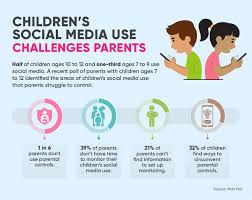
It is also important for parents to recognize the emotional impact of technology. Social media, in particular, can affect a child’s self-esteem, exposing them to unrealistic standards or online negativity. Parents should encourage open conversations about how online content makes their children feel, teaching them to separate digital portrayals from reality. By validating their emotions and guiding them to think critically, parents help build resilience against digital pressures.
Another valuable strategy is introducing children to “tech-free zones” and “tech-free times.” For instance, keeping bedrooms, dining tables, and family outings device-free ensures that certain spaces and moments are dedicated to connection and rest. Establishing such boundaries early helps children develop healthy routines and prevents excessive dependency on devices.
The Importance of Digital Literacy in Modern Education
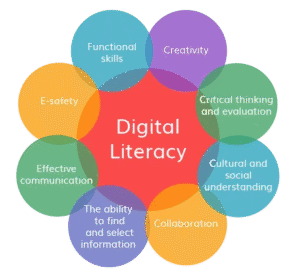
Moreover, teaching digital responsibility goes hand in hand with preparing children for the future. As the world becomes more connected, digital literacy is as important as traditional education. Parents who guide their children in navigating online tools, practicing online etiquette, and respecting digital boundaries equip them with life skills that extend beyond childhood. This not only protects them but also empowers them to use technology to their advantage.
Ultimately, the goal is not to shield children completely from technology but to teach them balance and responsibility. With mindful guidance, children can enjoy the benefits of the digital age—knowledge, creativity, and connectivity—while staying grounded in real-world experiences that nurture empathy, patience, and social growth.
Guiding Children’s Online Social Lives

Parents should also recognize that technology is a part of children’s social lives. From group chats to online gaming, many friendships today are built and maintained digitally. Instead of dismissing these connections, parents can guide children in distinguishing healthy friendships from toxic ones. Teaching them about kindness, empathy, and respect online ensures that the same values they practice in real life carry over to the digital space.
In addition, helping children develop self-discipline is key. Rather than parents constantly monitoring screen time, children should learn to manage it themselves. Encouraging them to set personal limits, take breaks, and prioritize schoolwork or hobbies helps them take responsibility for their own choices. This not only builds independence but also fosters critical life skills like time management and self-control.
Making the Real World Compete: The Joy of Outdoor and Creative Fun

Another aspect often overlooked is the importance of outdoor and creative play as a counterbalance to technology. Nature walks, sports, art, and family board games remind children that joy and entertainment exist beyond a screen. Parents who make these activities fun and engaging show their children that the real world can be just as exciting—if not more rewarding—than the virtual one.
It is also worth noting that technology affects not just children but family dynamics as a whole. When parents, too, are absorbed in devices, children may feel neglected. This is why setting family-wide digital rules—like putting phones away during meals or designating a “no-screen Sunday”—creates shared accountability. These practices reinforce togetherness and prevent technology from becoming a barrier to meaningful relationships.
Finally, parents must remember that their role is to guide, not control. The digital world is vast, and children will inevitably explore it as they grow. By fostering trust, keeping communication open, and being approachable, parents ensure that children feel comfortable sharing their online experiences—the good and the bad. When guidance is rooted in trust rather than fear, children learn to navigate technology with confidence, responsibility, and awareness.