The Joy of Food & Cooking: A Delicious Journey
Food is more than fuel — it’s a story, a tradition, a science, and an art. Whether you’re a beginner or a seasoned cook, the world of food and cooking offers endless inspiration. In this blog, we’ll explore why cooking is a valuable skill, how to make it easier, and a few tips to elevate your meals at home.
1. Why Cooking Matters More Than Ever
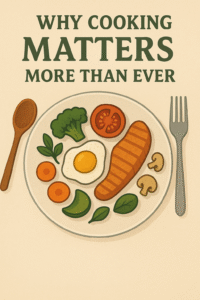
In today’s fast-paced world, it’s tempting to rely on takeout and ready meals. But learning to cook is one of the most rewarding and empowering skills.
- Health benefits: Home-cooked meals are often healthier than restaurant dishes. You control the ingredients, portion sizes, and cooking methods.
- Cost-effective: Cooking at home is much cheaper than dining out regularly.
- Cultural connection: Food is a way to connect with your heritage or learn about others’.
- Mental well-being: Cooking can be therapeutic and meditative. It allows for creativity and focus.
2. Essential Tools for Every Kitchen
You don’t need a chef’s kitchen to cook great food. Here are a few must-haves:
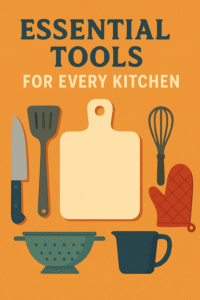
- Chef’s knife: A good quality knife makes prep faster and safer.
- Cutting board: Wood or plastic — just make sure to clean it well.
- Pans & pots: A non-stick skillet, a saucepan, and a stock pot cover most cooking needs.
- Measuring cups/spoons: Baking especially requires accuracy.
- Utensils: Spatulas, tongs, ladles, and a whisk will come in handy.
3. Pantry Staples That Make Meals Easier
Having a well-stocked pantry makes cooking less stressful and more spontaneous. Keep these basics on hand:
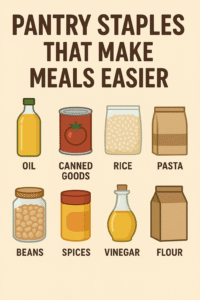
- Grains: Rice, pasta, quinoa, oats
- Canned goods: Tomatoes, beans, coconut milk, tuna
- Spices: Salt, pepper, garlic powder, paprika, cumin, chili flakes
- Oils & vinegar: Olive oil, vegetable oil, soy sauce, balsamic vinegar
- Baking basics: Flour, sugar, baking powder, yeast
4. Quick Tips to Improve Your Cooking
Even small changes in your approach can level up your meals.
- Read the entire recipe first: Avoid surprises or missing steps.
- Prep before you cook: Known as “mise en place” — have everything chopped and ready.
- Taste as you go: Adjust seasoning gradually.
- Clean as you cook: Keeps your workspace organized and enjoyable.
- Let meat rest: After cooking, give meat a few minutes to rest for juicier results.
5. Cooking Techniques Everyone Should Learn
You don’t need to attend culinary school to master the basics. These techniques are versatile and form the foundation of most recipes:
- Sautéing: Cooking quickly in a bit of oil over high heat (great for vegetables and meat).
- Boiling & simmering: Ideal for pasta, grains, and soups.
- Roasting: Brings out natural sweetness in vegetables and adds crispiness to meats.
- Baking: Used for bread, pastries, and casseroles.
- Grilling: Adds smoky flavor; perfect for summer meals.
6. Make Weeknight Dinners Easy and Delicious
Here are a few simple ideas for busy evenings:
- Stir-fry: Use whatever vegetables and protein you have; serve over rice or noodles.
- Sheet pan meals: Toss chopped veggies and meat with oil and spices, bake everything on one pan.
- One-pot pasta: Cook pasta, sauce, and veggies all in one pot to save time and dishes.
- Soups: Great for using up leftovers and very comforting in colder months.
- Salads with protein: Add grilled chicken, tuna, or boiled eggs to greens for a complete meal.
7. Cooking for Special Diets
Whether you’re vegetarian, gluten-free, or just trying to eat cleaner, home cooking allows full control:
- Vegetarian: Focus on legumes, grains, tofu, and a variety of vegetables.
- Low-carb: Zucchini noodles, cauliflower rice, and leafy greens are your friends.
- Gluten-free: Choose naturally gluten-free grains like rice, quinoa, and buckwheat.
- Dairy-free: Many plant-based alternatives like almond milk and vegan cheese are widely available.
8. Experimenting With Global Flavors
Travel the world through your taste buds — right from your kitchen.
- Italian: Pasta, tomatoes, basil, olive oil, and Parmesan.
- Mexican: Beans, corn, lime, cumin, cilantro, tortillas.
- Indian: Spices like turmeric, cumin, garam masala, lentils, and yogurt-based sauces.
- Thai: Coconut milk, lemongrass, lime, ginger, chili, and fish sauce.
- Japanese: Soy sauce, miso, seaweed, rice vinegar, sesame oil.
Don’t be afraid to try new ingredients — food is the best way to explore culture.
9. Baking Basics for Beginners
Baking is a different beast from cooking — it’s more precise but just as rewarding.
- Start with simple recipes: Muffins, cookies, banana bread, and brownies are good starters.
- Measure carefully: Use proper measuring tools, especially for dry vs. wet ingredients.
- Follow the order: Don’t skip steps like creaming butter and sugar — it affects texture.
- Know your oven: Ovens vary, so use an oven thermometer and don’t be afraid to adjust.
10. Cooking with Kids: A Fun Family Activity
Getting children involved in the kitchen can teach them valuable life skills and foster healthy eating habits.
- Let them help with washing veggies, stirring, or decorating.
- Choose simple recipes like pizza, cupcakes, or pancakes.
- It builds confidence, math skills (measuring), and responsibility.
11. Meal Planning Saves Time and Stress
Planning your meals for the week helps reduce waste and decision fatigue.
- Write down meals for each day and shop accordingly.
- Prep ingredients ahead of time (chopping veggies, marinating meats).
- Batch-cook meals and freeze portions for busy days.
12. Understanding Food Labels
Knowing how to read food labels can help you make healthier choices.
- Watch for added sugars, sodium, and trans fats.
- Pay attention to serving sizes — they can be misleading.
- Look for short ingredient lists with whole foods.
13. Leftovers: Don’t Let Them Go to Waste
Transform your leftovers into brand-new meals.
- Roasted veggies → soups or grain bowls.
- Cooked meats → tacos, sandwiches, or stir-fries.
- Extra rice → fried rice or rice pudding.
14. The Importance of Seasonality
Eating with the seasons has many benefits:
- Fresher, more flavourful produce.
- Often cheaper when in season.
- Supports local farmers and reduces environmental impact.
Example: Enjoy strawberries in spring/summer, and root veggies in fall/winter.
15. Herbs & Spices: Your Secret Weapon
Herbs and spices can transform any dish from bland to bold.
- Fresh herbs like basil, cilantro, and parsley brighten up dishes.
- Dried spices like cumin, turmeric, and paprika build depth and warmth.
- Don’t be afraid to experiment — start small and taste as you go.
16. Invest in Quality Ingredients (When It Counts)
While not everything needs to be organic or premium, some ingredients are worth the splurge:
- Olive oil: Good for dressings and drizzling.
- Vanilla extract: Real vanilla makes a huge difference in baking.
- Cheese & chocolate: Quality here equals better flavor and texture.
17. Cooking Can Be Sustainable
You can cook while being mindful of the environment:
- Reduce food waste by planning meals and using leftovers.
- Compost scraps when possible.
- Choose reusable storage like glass containers and beeswax wraps.
18. Hosting a Dinner Party? Keep It Simple
Impress guests without stressing yourself out.
- Choose make-ahead dishes so you can relax and socialize.
- Stick to recipes you’ve tried before.
- Create a theme (taco night, pasta night, etc.) to guide your menu.
19. Your Culinary Journey is Unique
Don’t compare your cooking to others. Everyone learns at their own pace.
- Enjoy your small wins (perfect scrambled eggs, a fluffy pancake).
- Mistakes are part of the process — even great chefs mess up.
- The goal isn’t perfection — it’s joy, nourishment, and connection.
20. Cooking on a Budget
You don’t need expensive ingredients to eat well.
- Buy in bulk (rice, beans, pasta).
- Use seasonal produce — it’s often cheaper and fresher.
- Plan meals with overlapping ingredients to avoid waste.
21. Fermentation at Home
Fermented foods are great for gut health and flavour.
- Try making yogurt, kimchi, sauerkraut, or kefir at home.
- They’re surprisingly simple and require just a few ingredients.
- Fermented foods add tang and depth to meals.
22. Cooking for One? Make It Worthwhile
Solo cooking can feel like a chore, but it’s worth it.
- Cook in batches and freeze individual portions.
- Treat yourself — make meals you enjoy, not just what’s “easy.”
- Invest in smaller pans and containers suited for one.
23. Slow Cooking & Instant Pots
These tools make cooking nearly hands-free.
- Toss in ingredients and let the machine do the work.
- Great for soups, stews, curries, and even desserts.
- Saves time and reduces clean up.
24. Cooking with Fresh vs Frozen Ingredients
Frozen isn’t “bad” — in fact, it’s often just as nutritious.
- Frozen veggies are great for stir-fries, soups, and curries.
- Freeze your own herbs in olive oil for future use.
- Fresh is ideal for salads, garnishes, and quick cooking.
25. Building a Balanced Plate
For a satisfying and healthy meal, aim for:
Fiber: Veggies and fruits in every meal
Protein: Chicken, tofu, beans, fish, eggs
Carbs: Whole grains, potatoes, legumes
Fats: Avocados, nuts, olive oil
26. Cooking with Love & Intention
Food tastes better when made with care.
- Cook slowly when you can — it’s not always a race.
- Think about who you’re cooking for, even if it’s just yourself.
- Play music, light a candle, and enjoy the process.
27. How to Rescue a Dish Gone Wrong
Don’t panic — most mistakes can be fixed.
-
Too salty? Add a potato, cream, or a splash of vinegar.
-
Too spicy? Add yogurt, cream, or a sweet element.
-
Burned something? Scrape off the burnt part, reuse what’s left.