Dressing with Style: Fashion for Men and Women
 Fashion has always been more than just clothing—it is a way to express identity, culture, and individuality. The way we dress often reflects our personality and lifestyle, while also helping us feel confident in different settings. Whether it is a formal event, casual outing, or workplace environment, the right outfit has the power to make a lasting impression. Both men and women have endless choices in modern fashion, but what matters most is understanding what works best for one’s body type, personality, and the occasion.
1. Fashion for Women: Elegance Meets Versatility
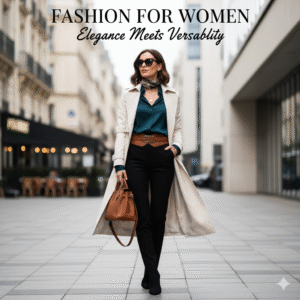
Women’s fashion has always been celebrated for its versatility and creativity. From classic sarees and elegant dresses to trendy jumpsuits and chic office wear, the options are limitless. One of the key aspects of women’s dressing is the ability to mix tradition with modernity. For example, pairing a formal blazer with a flowy dress, or styling a kurta with jeans, creates a look that is both comfortable and stylish.
Colors and fabrics also play an important role in women’s fashion. Bright colors and floral prints are often chosen for casual outings or festive occasions, while neutral tones like beige, black, and white are timeless choices for formal and professional settings. Fabrics such as cotton and linen are perfect for daily comfort, whereas silk and chiffon add elegance for parties and celebrations. Accessories, too, bring outfits to life—whether it is a simple chain, bold earrings, or a stylish handbag, the right accessory adds personality to the look.
Footwear completes the ensemble, and women have a wide range of choices—heels for sophistication, flats for comfort, and sneakers for casual chic. Today, many women prefer blending comfort with style, which is why athleisure and smart-casual outfits have become a popular trend.
2. Fashion for Men: Simplicity with Impact
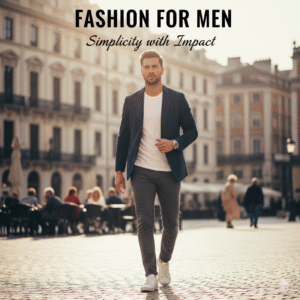
Men’s fashion is often described as simple, but in reality, it is about subtle details and strong statements. The classic wardrobe staples for men—shirts, trousers, t-shirts, and jackets—never go out of style. The key lies in how they are styled. For instance, a crisp white shirt paired with tailored trousers can be a perfect office look, while the same shirt worn with jeans creates a smart casual outfit suitable for an evening out.
Colors in men’s fashion usually lean towards darker or muted tones like navy blue, grey, black, and olive green, which are considered versatile and masculine. However, modern trends encourage men to experiment with pastels, bright hues, and even patterns, making their outfits stand out in a crowd. Accessories such as belts, watches, and ties may seem small, but they define a man’s overall style.
Footwear is equally crucial for men. Formal shoes like oxfords and loafers are timeless classics for professional settings, while sneakers and boots offer both comfort and trendiness for casual wear. Grooming, too, is an essential part of men’s fashion—well-kept hair, a neat beard (if chosen), and confidence often elevate even the simplest outfit.
3. Dressing for Different Occasions
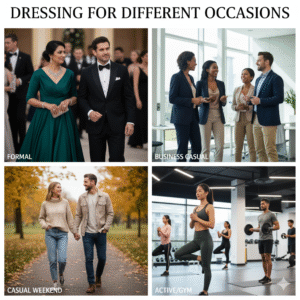
Both men and women need to adapt their style depending on the event or setting. Formal occasions call for sharp, sophisticated outfits—suits and blazers for men, and sarees, gowns, or elegant dresses for women. Workplace dressing, on the other hand, should strike a balance between professionalism and comfort. Smart casuals, such as chinos and shirts for men or formal tops and trousers for women, work perfectly for office environments.
For casual outings, comfort takes center stage. Men may prefer jeans with t-shirts or polo shirts, while women often choose maxi dresses, skirts, or simple tops with denim. Festivals and cultural occasions, especially in countries like India, celebrate traditional wear—kurta-pajamas and sherwanis for men, and sarees, lehengas, or salwar suits for women. These outfits not only embrace culture but also bring a sense of elegance and pride.
4. Fashion as Self-Expression
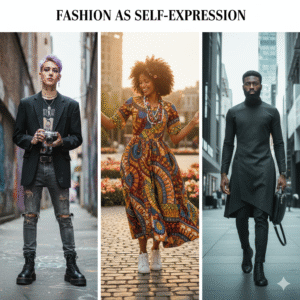
Fashion is not just about trends; it is about self-expression. Both men and women should choose clothing that reflects their individuality. While social media and influencers shape modern fashion, the most stylish individuals are those who remain authentic to their personality. A confident smile, good posture, and comfort in what one wears are the true definitions of fashion.
Sustainability has also become an important part of modern dressing. Men and women today are increasingly choosing eco-friendly fabrics, ethical brands, and minimalistic wardrobes to reduce waste and support the planet. This shift shows how fashion can be both stylish and responsible.
5. The Role of Accessories in Fashion
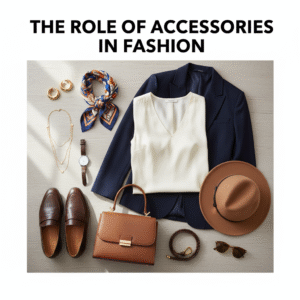
No outfit is truly complete without accessories, and this applies to both men and women. For women, accessories range from statement jewelry and handbags to scarves, belts, and sunglasses. Even a simple outfit can transform into a chic ensemble with the right accessory. For men, watches, wallets, belts, and sunglasses often make a stronger impression than clothing alone. The trick lies in balance—accessories should enhance, not overpower, the look.
6. Seasonal Fashion Choices
Another aspect of dressing well is adapting to the seasons. In summer, light fabrics like cotton and linen are ideal for both men and women, keeping comfort a priority. Bright and pastel colors also complement the season well. In winter, layering becomes a style statement—jackets, blazers, shawls, and boots not only provide warmth but also elevate style. Spring and autumn allow for playful experimentation with prints, textures, and transitional outfits that merge comfort with creativity.
7. Fashion and Confidence
Perhaps the most important thing to remember is that fashion is deeply connected to confidence. A simple outfit, when worn with self-assurance, can look more stylish than an expensive designer piece worn without comfort. Both men and women should focus on outfits that reflect their true selves rather than only chasing trends. Dressing well is not about impressing others but about feeling good in one’s own skin.
8.The Future of Fashion
The future of fashion lies in inclusivity, comfort, and sustainability. Designers today are creating clothing lines that suit different body types, celebrate cultural diversity, and use eco-friendly practices. Men and women alike are moving toward minimal wardrobes with timeless essentials that can be mixed and matched in multiple ways. This ensures not only style but also practicality in everyday life.
9. Cultural Influence on Dressing
Clothing styles are also shaped by culture and tradition. In many parts of the world, men and women embrace traditional attire during festivals, weddings, or cultural celebrations. For women, sarees, lehengas, kimono, or hanbok carry cultural pride, while for men, sherwanis, kurtas, or kilts represent heritage. Blending these traditional outfits with modern fashion elements has become a global trend, allowing people to celebrate culture while staying contemporary.
10. Dressing for Body Type
Understanding body type is another important factor in fashion. Women often choose outfits that highlight their natural shape—A-line dresses for pear-shaped figures, tailored blazers for structured looks, or high-waist trousers for elongation. Men, too, benefit from this awareness: slim-fit shirts and trousers flatter lean frames, while structured jackets and darker shades create a balanced look for broader builds. Dressing for body type not only enhances appearance but also boosts comfort and confidence.
11. Everyday Fashion Essentials
Every wardrobe, whether for men or women, should include essentials that never go out of style. For women, this includes a little black dress, a pair of well-fitted jeans, neutral tops, and a versatile handbag. For men, classic white and blue shirts, tailored trousers, a black blazer, and good-quality shoes form the foundation of timeless style. These staples can be styled in multiple ways, making them valuable investments.
12. Fashion as a Lifestyle Choice
Ultimately, fashion is more than just dressing up—it is a lifestyle. The way people choose their clothing reflects how they see themselves and how they wish to be perceived. Both men and women are embracing fashion not just as appearance but as self-care, creativity, and personal branding. In workplaces, on social occasions, and even at home, clothing choices influence mood, productivity, and confidence.
13. Dressing in the Modern World
Today, fashion is not just about gender-based styles but about inclusivity and individuality. Many men experiment with bold colors and accessories once considered feminine, while women embrace power suits and minimalistic styles that redefine elegance. This blending shows that fashion is evolving into a space where personal comfort matters more than rigid rules. Social media has also given men and women new platforms to explore fashion, follow trends, and even inspire others with their own unique style.
In the end, dressing well is about balance—between tradition and modernity, comfort and elegance, individuality and trends. Whether it’s a man in a crisp suit or a woman in a flowing dress, true style lies in confidence, authenticity, and the joy of wearing something that feels just right.
Final Conclusion
Fashion for men and women is more than clothing—it is a language of self-expression, confidence, and culture. While trends may come and go, the true essence of dressing well lies in comfort, individuality, and authenticity. Men and women alike can elevate their style by focusing on timeless essentials, adapting to occasions, and embracing both tradition and modernity. Ultimately, fashion should not be about impressing others but about feeling empowered in one’s own skin. When confidence meets style, every outfit becomes a statement.