The Power of Lifelong Learning: Why Education Never Stops
Education is often seen as something that ends with school or college, but in reality, learning is a lifelong journey. Whether formal or informal, continuous learning helps us adapt, grow, and succeed in an ever-changing world.
1. Builds Knowledge and Skills
-
Continuous learning keeps your mind active and sharp.
-
New skills improve personal and professional opportunities.
-
Knowledge is power—it boosts confidence in decision-making.
2. Encourages Adaptability
-
The world is evolving with technology and innovation.
-
Learning new tools and methods helps us stay relevant.
-
Adaptability reduces fear of change and increases resilience.
3. Improves Career Growth
-
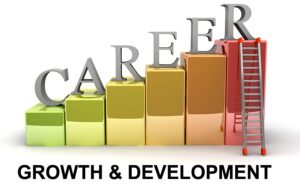
Employers value individuals who update their skills.
-
Certifications and courses add weight to your resume.
-
Lifelong learners often earn promotions and leadership roles.
4. Enhances Problem-Solving Skills
-
Education trains the brain to think critically.
-
Exposure to different perspectives sparks creativity.
-
Problem-solving is easier when you understand multiple approaches.
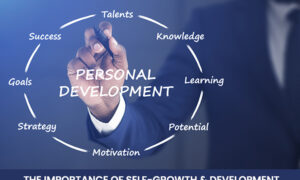
5. Strengthens Personal Development
-
Learning fosters discipline, patience, and focus.
-
Reading, exploring, or practicing hobbies broadens horizons.
-
Self-improvement through knowledge boosts self-esteem.
6. Promotes Social Awareness
-
Education connects us to global issues.
-
Informed citizens make better choices for society.
-
Understanding culture and history increases empathy.
7. Supports Mental Well-being
-
Learning stimulates the brain and reduces stress.
-
Hobbies like painting, reading, or music add joy.
-
A curious mind stays engaged and motivated.
8. Boosts Communication Skills
-
Education helps express ideas clearly and confidently.
-
Good communication strengthens relationships at work and home.
-
Exposure to different subjects improves vocabulary and understanding.
9. Encourages Innovation
-
Learning fuels creativity and fresh ideas.
-
Innovators often combine knowledge from multiple fields.
-
Education empowers us to solve real-world problems with new solutions.
10. Fosters Financial Literacy
-
Understanding economics and finance improves money management.
-
Education teaches saving, investing, and responsible spending.
-
Financial knowledge reduces stress and ensures stability.
11. Builds Global Connections
-
Learning new languages bridges cultures and opportunities.
-
Online education connects people across countries.
-
A global perspective prepares us for international collaboration.
12. Inspires Confidence and Independence
-
The more we learn, the more self-reliant we become.
-
Education reduces dependency on others for knowledge.
-
Confidence grows when you can tackle challenges alone.
13. Prepares for Future Challenges
-
Education trains us to face uncertainty.
-
Skills like coding, AI, and sustainability are shaping the future.
-
Lifelong learning ensures readiness for upcoming changes.
14. Encourages Digital Literacy
-
In today’s world, understanding technology is essential.
-
Education helps us use digital tools safely and effectively.
-
Digital literacy empowers people to work smarter, not harder.
15. Builds Stronger Communities
-
Educated individuals contribute positively to society.
-
Learning encourages volunteering and civic responsibility.
-
Communities grow stronger when people share knowledge.
16. Increases Cultural Appreciation
-
Education exposes us to diverse traditions and perspectives.
-
Cultural learning fosters tolerance and harmony.
-
It reduces stereotypes and encourages inclusivity.
17. Strengthens Leadership Qualities
-
Learning develops decision-making and management skills.
-
Educated leaders inspire and guide others effectively.
-
Leadership thrives when combined with knowledge and empathy.
18. Promotes Environmental Awareness
-
Education teaches us about sustainability and conservation.
-
Informed individuals take steps to protect the planet.
-
Green learning prepares us to face climate challenges.
19. Helps in Better Decision-Making
-
Knowledge improves judgment in everyday life.
-
Education gives us the ability to weigh pros and cons.
-
Better choices lead to healthier, happier living.
20. Expands Opportunities Beyond Borders
-
Online education opens access to global courses.
-
Skills learned can lead to international jobs or collaborations.
-
Lifelong learners are not limited by geography.
21. Enhances Emotional Intelligence
-
Learning about psychology and behavior helps manage emotions.
-
Improves empathy, self-control, and understanding of others.
22. Strengthens Time Management
-
Education teaches planning and prioritization.
-
Better time use leads to balance between work and life.
23. Sparks Curiosity
-
The more you learn, the more curious you become.
-
Curiosity fuels innovation and exploration.
24. Improves Memory and Brain Health
-
Lifelong learning keeps the brain active.
-
Reduces risk of memory-related issues with age.
25. Encourages Collaboration
-
Group learning builds teamwork skills.
-
Helps individuals work effectively in diverse environments.
26. Builds Resilience in Setbacks
-
Knowledge teaches patience and problem-solving during failures.
-
Education turns challenges into learning opportunities.
27. Promotes Lifeskills
-
Skills like cooking, budgeting, or public speaking come from learning.
-
Lifelong education supports independence in daily living.
28. Connects Generations
-
Older and younger learners share knowledge.
-
Education bridges generational gaps in families and workplaces.
29. Enhances Civic Responsibility
-
Learning civic rights and duties creates better citizens.
-
Encourages participation in voting, debates, and community welfare.
30. Opens Doors to Entrepreneurship
-
Business education sparks ideas and strategies.
-
Lifelong learners are more likely to start ventures.
31. Improves Creativity
-
Exposure to art, literature, and music inspires imagination.
-
Creative thinking benefits problem-solving in all fields.
32. Builds Self-Discipline
-
Continuous study requires consistency and focus.
-
Self-discipline learned through education spreads to all aspects of life.
33. Provides Purpose and Direction
-
Learning gives clarity on career and life choices.
-
Helps individuals find passion and fulfillment.
34. Expands Networking Opportunities
-
Education connects you to mentors and peers.
-
Networks create opportunities for growth and collaboration.
35. Strengthens Ethical Values
-
Education teaches fairness, justice, and integrity.
-
Helps people make moral choices in complex situations.
36. Improves Adaptation to Technology
-
Digital courses train people in emerging tools.
-
Keeps learners competitive in modern careers.
37. Encourages Self-Expression
-
Education inspires writing, art, and storytelling.
-
Learners find unique ways to express their thoughts.
38. Develops Analytical Skills
-
Mathematics, science, and research sharpen analysis.
-
Critical thinking becomes natural with practice.
39. Reduces Inequality
-
Access to education empowers underprivileged groups.
-
Knowledge breaks cycles of poverty.
40. Inspires Lifelong Goals
-
Continuous learning motivates setting new ambitions.
-
Keeps life exciting and purposeful.
41. Improves Decision-Making in Health
-
Education about nutrition and exercise leads to better health.
-
Informed people make wise medical choices.
42. Increases Patience and Perseverance
-
Learning takes time and effort.
-
These habits transfer into everyday life.
43. Enhances Global Awareness
-
Learners understand global issues like climate change or inequality.
-
Awareness drives meaningful action.
44. Strengthens Relationships
-
Learning communication and empathy improves bonds.
-
Education about human behavior supports healthier interactions.
45. Boosts Confidence in Public Speaking
-
Training in presentation and debate builds stage confidence.
-
Improves professional and personal influence.
46. Supports Economic Growth
-
An educated society contributes more to development.
-
Innovation and productivity rise with knowledge.
47. Promotes Volunteerism
-
Educated people are more likely to give back.
-
Learning creates a sense of social responsibility.
48. Encourages Positive Habits
-
Education fosters routines like reading, research, or journaling.
-
Habits lead to lifelong self-improvement.
49. Strengthens Critical Media Literacy
-
Learners can separate facts from fake news.
-
Education builds awareness of media influence.
50. Leaves a Legacy of Knowledge
-
Lifelong learners inspire the next generation.
-
Sharing wisdom ensures knowledge never ends.
51. Encourages Independent Thinking
-
Learners form their own opinions instead of blindly following others.
52. Expands Career Flexibility
-
Multiple skills allow people to shift careers smoothly.
53. Supports Conflict Resolution
-
Education teaches calm negotiation and problem-solving in disputes.
54. Enhances Writing Skills
-
Reading and practice improve clarity and creativity in writing.
55. Teaches Digital Safety
-
Online learning includes lessons on cyber-security and safe browsing.
56. Inspires Volunteer Teaching
-
Learners often share knowledge with others, creating a ripple effect.
57. Builds Better Parenting Skills
-
Educated parents guide their children with patience and awareness.
58. Encourages Scientific Temper
-
Promotes curiosity, evidence-based thinking, and experimentation.
59. Develops Strategic Thinking
-
Education trains us to plan ahead and assess risks.
60. Improves Listening Skills
-
Learning involves active listening, which enhances understanding.
61. Promotes Lifelong Friendships
-
Study groups and courses connect like-minded learners.
62. Increases Global Competitiveness
-
Countries with educated citizens progress faster.
63. Supports Civic Leadership
-
Education equips leaders to create positive policy changes.
64. Encourages Self-Reflection
-
Learning helps people analyze their strengths and weaknesses.
65. Improves Adaptation to Remote Work
-
Digital learning builds comfort with virtual tools.
66. Boosts Mathematical Thinking
-
Enhances logical reasoning useful in daily decision-making.
67. Increases Tolerance for Different Beliefs
-
Exposure to diverse views reduces prejudice.
68. Enhances Stress Management
-
Knowledge of psychology, health, or meditation helps cope with stress.
69. Builds Entrepreneurial Mindsets
-
Lifelong learners identify opportunities and take smart risks.
70. Encourages Lifelong Curiosity in Science
-
From space to biology, science learning keeps wonder alive.
71. Improves Storytelling Skills
-
Education sharpens imagination and communication for better narratives.
72. Creates Role Models
-
Educated individuals inspire others in families and communities.
73. Teaches Respect for Diversity
-
Learning cultures and histories builds inclusivity.
74. Promotes Open-Mindedness
-
Education reduces rigidity and fosters acceptance of change.
75. Builds Negotiation Skills
-
Useful for business, workplace, and personal situations.
76. Encourages Responsible Use of Resources
-
Awareness of sustainability leads to mindful consumption.
77. Prepares for Unexpected Careers
-
Many jobs of the future don’t exist yet — learning keeps us ready.
78. Inspires Love for Reading
-
Education cultivates reading as a lifelong habit.
79. Improves Civic Safety Awareness
-
Learners stay informed about safety, laws, and community support.
80. Creates Global Citizens
-
Education connects people beyond borders for peace and collaboration.
Final Conclusion
Education is not a destination but a lifelong journey. From the very first lesson we learn as children to the wisdom we gain in our later years, knowledge shapes who we are and how we contribute to the world. These 80 points show that education touches every corner of life—career, personal growth, relationships, society, and even the future of our planet.
In a fast-changing world, the learners are the true leaders. Those who embrace continuous learning stay adaptable, confident, and ready for opportunities. Education is the light that never fades; the more we share it, the brighter the world becomes.
So, let’s commit ourselves to lifelong learning—not just for success, but for meaning, purpose, and progress. Because when education never stops, neither do we.