Personal Development: A Path to Growth and Success
Personal development is more than just a buzzword—it’s the process of improving yourself through conscious habits, mindset shifts, and skills that help you live a more fulfilling life. It’s about becoming the best version of yourself, both personally and professionally. Whether you’re a student, working professional, or entrepreneur, personal development plays a key role in building confidence, achieving goals, and unlocking your full potential.
Below are some essential areas and strategies for personal development.
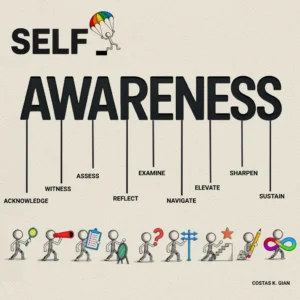
1. Self-Awareness
-
Understand your strengths and weaknesses.
-
Identify your values, passions, and priorities.
-
Practice reflection through journaling or meditation.
-
Seek feedback from mentors, peers, or family.
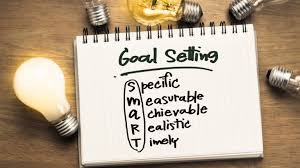
2. Goal Setting
-
Set SMART goals (Specific, Measurable, Achievable, Relevant, Time-bound).
-
Break big goals into smaller, actionable steps.
-
Regularly review and track progress.
-
Celebrate small wins to stay motivated.
3. Continuous Learning
-
Read books, blogs, and articles on topics that interest you.
-
Take online courses or attend workshops.
-
Learn new skills that add value to your personal or professional life.
-
Stay curious and open to new perspectives.
4. Time Management
-
Prioritize tasks using methods like the Eisenhower Matrix.
-
Avoid procrastination by tackling small tasks first.
-
Use productivity tools (calendars, planners, apps).
-
Maintain a balance between work, rest, and personal time.
5. Emotional Intelligence (EQ)
-
Improve empathy by listening actively.
-
Manage stress with relaxation techniques like deep breathing.
-
Recognize and regulate your emotions in challenging situations.
-
Strengthen relationships by understanding others’ feelings.
6. Communication Skills
-
Practice clear and confident speaking.
-
Develop good listening habits.
-
Work on written communication—emails, reports, or blogs.
-
Learn non-verbal cues such as body language.
7. Building Confidence
-
Step out of your comfort zone regularly.
-
Learn from failures instead of fearing them.
-
Acknowledge your achievements, no matter how small.
-
Surround yourself with positive and supportive people.
8. Health and Wellbeing
-
Eat nutritious food and stay hydrated.
-
Exercise regularly to stay physically active.
-
Maintain healthy sleep patterns.
-
Practice mindfulness to keep stress levels low.
9. Networking and Relationships
-
Build meaningful connections with like-minded people.
-
Offer support and value to others without expecting immediate returns.
-
Join communities, seminars, or online groups in your area of interest.
-
Learn the art of collaboration and teamwork.
10. Resilience and Adaptability
-
Accept change as a part of life.
-
Develop problem-solving skills to face challenges.
-
Stay positive even during setbacks.
-
Focus on what you can control instead of worrying about what you can’t.